

Ohio Uncontested Divorce
Ending a marriage in Ohio can be handled through a no-fault dissolution. It requires both spouses to agree on all issues, including children, property, and debts in advance, and the court hearing generally takes place 30-90 days after the petition is filed. Since a dissolution is based on mutual agreement, spouses do not have to prove any statutory fault grounds. The law requires at least six months of residency in the state.
YourForms provides document-preparation help for people who want to handle an uncontested case without hiring an attorney. It offers state-specific documents, but it doesn’t provide legal advice or guarantee approval from the judge.
What Is an Uncontested Divorce or Dissolution?
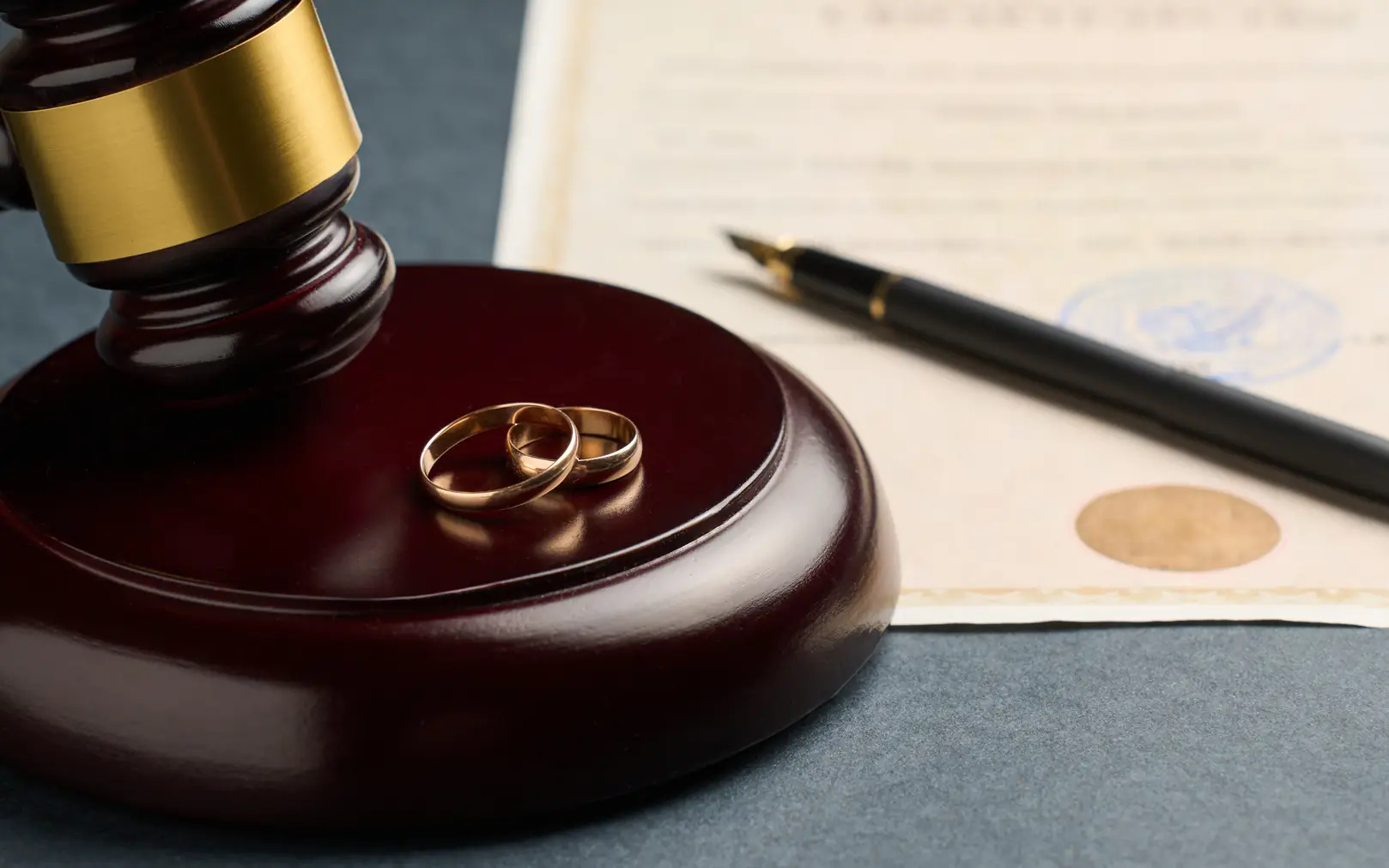
The state provides two ways to legally end a marriage: divorce and dissolution. Both result in final termination of the marriage, but the requirements differ.
An uncontested divorce is a standard divorce proceeding in which the spouses agree on the issues or don’t dispute the requested outcome. One spouse files a complaint, and the other receives formal notice. The court can approve an agreed resolution without conducting a contested trial.
Unlike a divorce where one spouse files first, a dissolution is a separate legal procedure under Ohio Revised Code 3105.61 to 3105.65 where both spouses submit a joint petition with a signed separation agreement covering property, debts, spousal support, and, if applicable, child custody and child support. The agreement must be completed in advance.
Key Differences
The key distinctions concern the documents filed, the court procedure, and the required agreement.
In a dissolution, both spouses file Form 17 with an agreed Form 19 separation agreement. In an uncontested divorce, one spouse files Form 6 (without children) or Form 7 (with children). Both procedures require court approval.
Do You Qualify for a Dissolution or Divorce in Ohio?

The appropriate route depends on whether both spouses are prepared to sign a complete agreement and whether the residency requirements are met.
If both spouses agree on every required term, a joint dissolution may be suitable. If one spouse wants to begin the process before a complete agreement exists, a divorce complaint may be the appropriate option. Either way, parties should review all financial consequences, including spousal support, child support, and property division, before signing or filing Ohio divorce papers, as following the proper order of these steps can help avoid certain complications.
| Legal Feature | Joint dissolution of marriage | Uncontested divorce |
|---|---|---|
| Agreement Level | Both spouses agree on all terms beforehand | One spouse may initiate it before a complete agreement is reached |
| Residency Requirement | 6 months in Ohio; 90 days in county of filing | The same |
| Grounds Needed | No grounds required (mutual no-fault agreement) | A legally recognized ground, such as incompatibility or living separate for one year |
| Formal Service of Summons | Waived automatically in the joint petition | Required (Request for Service via Certified Mail/Sheriff) |
| Child-Related Forms | Parenting Plan (Form 20/21) & Health Insurance Affidavit | The same |
| Final Timeline | Finalized in 30 to 90 days | 28-day answer period + court schedule |
How to Get a Divorce in Ohio: Understanding Residency and Legal Grounds Requirements

The residency rules determine whether the state can hear the case. The applicable legal grounds also depend on whether the spouses choose divorce or dissolution.
State (6 Months) and County (90 Days) Residency Rules
The plaintiff in a divorce must have lived in the state for at least six months before initiating a divorce. The law also generally requires 90 days of county residency. The same six-month residency requirement applies for dissolutions.
No-Fault Grounds: Incompatibility and Living Separate and Apart
No-fault divorce grounds include incompatibility, unless either spouse denies it, and living separately for an uninterrupted period of one year.
Other grounds include adultery, habitual drunkenness, imprisonment, and extreme cruelty.
When you file for divorce in Ohio, you must identify an applicable statutory ground. Dissolution petitions don’t require one.
Step-by-Step Guide: The Ohio Uncontested Dissolution Process

Once both spouses have resolved their financial and parenting arrangements, they can begin preparing their divorce papers in Ohio. The first step is to make sure that the proposed agreement is complete and both parties understand all terms.
- Step 1
Executing the Joint Petition (Form 17), Affidavits, and Separation Agreement (Form 19)
The first step in preparing your divorce papers in Ohio for a dissolution is to obtain, complete, and sign the necessary documents. These include but are not limited to Form 17 (Petition for dissolution of marriage and waiver of service of summons) and Form 19 (Separation agreement).
- Step 2
Selecting the Court of Common Pleas (Domestic Relations Division)
File with the Court of Common Pleas in the appropriate county, generally through the Domestic Relations Division. Check the court’s website for additional information on forms and requirements.
- Step 3
Filing Options
Some courts offer the option to file electronically, while others accept paperwork in person or by mail, so it’s advisable to check the respective court’s requirements beforehand. The Supreme Court of Ohio’s e-filing portal is intended for Supreme Court cases, not general county divorce filings.
- Step 4
Attending the Mandatory Final Hearing
Both parties must appear between 30 and 90 days after filing. Each must confirm their oath that the agreement was voluntary and they accept its terms. The judge reviews the paperwork before issuing the final decree.
Navigating Specific Ohio Court Forms: Financial Papers, Parenting Plans, and Fee Waivers

The state’s standardised forms help organize the information the court and judge need, but the correct packet depends on whether the spouses have minor children and on local legal requirements.
Basic Information, Income, Property, and Debt Documents (Forms 1 & 2)
Form 1 records personal information, income, and expenses. Form 2 identifies assets and debts. Each party completes separate financial affidavits to provide the information required for the proposed agreement.
Shared Parenting Plans (Forms 20 & 21) and Health Insurance Papers
When minor children are involved, Form 3 is the Parenting Proceeding Affidavit and Form 4 is the Health Insurance Affidavit. Parents may also need Form 20 for shared parenting, or Form 21, which covers a parenting plan for the children. A child support worksheet may also be required.
Requesting a Court Fee Waiver
The state’s law allows a person who can’t afford to pay the mandatory court expenses to request a fee waiver by using the Poverty Affidavit Form.
Why Choose YourForms for Your Online Divorce in Ohio?

YourForms helps you file for divorce in Ohio online by providing assistance with paperwork organization. The service offers online preparation of state-specific divorce paperwork for people handling uncontested cases independently.
YourForms’ questionnaire collects information about the marriage, finances, and parenting agreements to help with generating the applicable papers. Users can review and download their paperwork, ensuring it’s organized in the correct order.
| Aspect | Traditional Attorney | YourForms |
|---|---|---|
| Total Average Expense | High hourly attorney fees (1,500–3,500+ retainer) | $338-$597+ Final price depends on how long the case lasts |
| Document Preparation Time | Weeks of consultations and manual legal drafting | Completed online in hours |
| E-Filing Portal Support | Attorney-managed submissions | Formatted for county Domestic Relations courts |
| Joint Petition Integration | Additional drafting charges per spouse | Simultaneous automated creation of joint petition packets |
YourForms Pricing Plan
Below, you can find up-to-date information on the YourForms pricing plans:
- Basic: $69 setup + $69/month
- Full Support: $199 setup + $49/month (starting from month two)
Please note that mandatory court fees and other third-party expenses are separate.
How YourForms Works: Step-by-Step Process
If you’re looking for the cheapest way to file for divorce in Ohio, choosing YourForms may be a good option. It’s not cheaper than a full DIY approach, but it gives you peace of mind knowing your documents are properly prepared. Here’s a step-by-step guide on using the service in the correct order:
 STEP 01
Complete the questionnaire
Answer all questions, providing accurate information about income, children, and property.
 STEP 02
Review the papers
Check and download the papers, ensuring all details are correct.
 STEP 03
File for divorce online in Ohio
File the paperwork with the appropriate court and follow all instructions.
OH Key Divorce Rules: Costs, Timeline, and Laws

The total cost depends on several factors, including court charges, optional services, and whether each party hires a lawyer. The court order timeline also depends on the proceeding and the applicable rules.
How Much Does a Divorce Cost?
Fees vary by county, and the price is typically between $200 and $300. It’s best to contact your local county clerk’s office for further information. If using online document preparation services like YourForms, the costs typically range between $338-$597.
 Related article: Cost of Divorce in Ohio
How Long Does an Uncontested Divorce Take?
A hearing must generally occur between 30 and 90 days after filing for a divorce. Potential delays may occur if there’s incomplete paperwork or other issues that disrupt the normal order of the court proceedings.
Divorce Laws, Grounds, and Asset Division Rules
OH allows fault-based and no-fault divorce, including incompatibility and one year of continuous separation. Courts also issue orders on property division, spousal and child support, and other applicable matters.